
Diabetic Eye Exams: Supporting Healthy Vision
Living with diabetes means paying attention to more than blood sugar levels. Diabetes can also affect the small blood vessels inside the eyes, sometimes before you notice any change in how clearly you see. Regular diabetic eye exams can help identify these changes and support long-term eye health.
At Sandra L. Stevens, O.D. in Orange, CA, we provide comprehensive eye exams that evaluate both your vision and the health of the structures inside your eyes.
How Can Diabetes Affect Your Eyes?
One of the primary eye conditions associated with diabetes is diabetic retinopathy. Over time, elevated blood sugar can damage the tiny blood vessels that supply the retina, the light-sensitive tissue at the back of the eye.
These blood vessels may weaken, leak fluid or blood, or develop other changes. Diabetes can also increase the risk of conditions such as cataracts and glaucoma.
The challenge is that early diabetic retinopathy may not produce noticeable symptoms. Clear vision does not necessarily mean diabetes has not begun affecting the retina.
What Happens During a Diabetic Eye Exam?
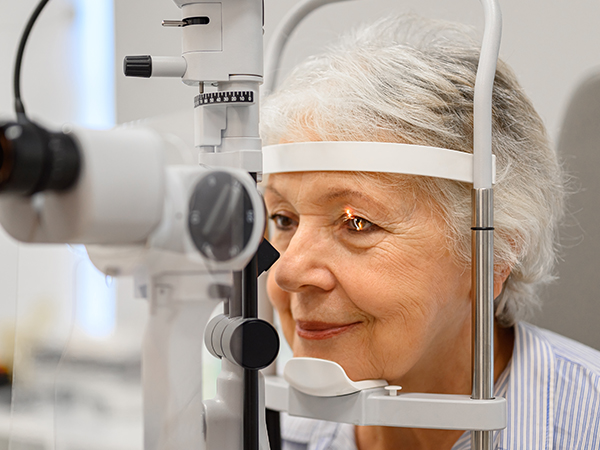
A diabetic eye exam looks beyond whether you need glasses. We review your medical and eye health history and ask about any visual changes you have noticed.
Depending on your individual needs, your exam may include:
Checking your visual acuity and prescription
Evaluating the retina and retinal blood vessels
Examining the optic nerve
Measuring eye pressure as part of glaucoma screening
Performing retinal photography to document the back of the eye
Comparing current findings with previous examinations
Additional testing or pupil dilation may be recommended based on your health history and examination findings.
Why Are Retinal Checks Important?
The retina can reveal signs of diabetes-related damage before everyday vision changes significantly. Retinal photography creates a record of the back of the eye that can help us document findings and compare them during future visits.
For patients with diabetes in Orange, these comparisons can be valuable because eye disease may progress gradually. Identifying a change does not automatically mean advanced disease is present, but it can help determine whether closer monitoring or referral for additional care is appropriate.
Retinal imaging complements the rest of a comprehensive eye examination and does not always replace dilation when a wider internal view of the eye is needed.
How Often Should You Have Your Eyes Checked?
The appropriate schedule depends on the type of diabetes you have, how long you have had it, your overall health, and whether previous exams have shown diabetic eye changes.
Many patients with diabetes require regular eye examinations, often annually, while existing diabetic retinopathy may require more frequent monitoring. We can recommend a follow-up schedule based on your individual findings.
Managing blood sugar, blood pressure, and cholesterol according to your healthcare provider's recommendations can also support long-term eye health. Diabetic eye care works alongside your overall medical care rather than replacing it.
Do Not Wait for Noticeable Vision Loss
Diabetic eye disease can progress without pain or early visual symptoms. That is why routine monitoring remains important even when your eyesight feels unchanged.
Contact your eye doctor promptly if you develop new floaters, worsening blurry vision, dark spots, or missing areas in your vision. Sudden vision loss, flashes of light, a rapid increase in floaters, or a curtain-like shadow requires urgent evaluation.
If you have diabetes and are due for an eye health evaluation, contact Sandra L. Stevens, O.D. at 1234 W. Chapman Ave., Suite 201, Orange, CA 92868 by calling (714) 997-1091 to schedule your diabetic eye exam.


- Monday 9:00am - 7:00pm
- Tuesday 8:30am - 5:00pm
- Wednesday 8:30am - 5:00pm
- Thursday 9:00am - 5:00pm
- Friday 9:00am - 5:00pm
- Saturday 8:00am - 2:00pm
- Sunday Closed
© 2026 Sandra L Stevens, O.D. . All rights Reserved. Accessibility Statement - Privacy Policy - Sitemap
Powered by:
